
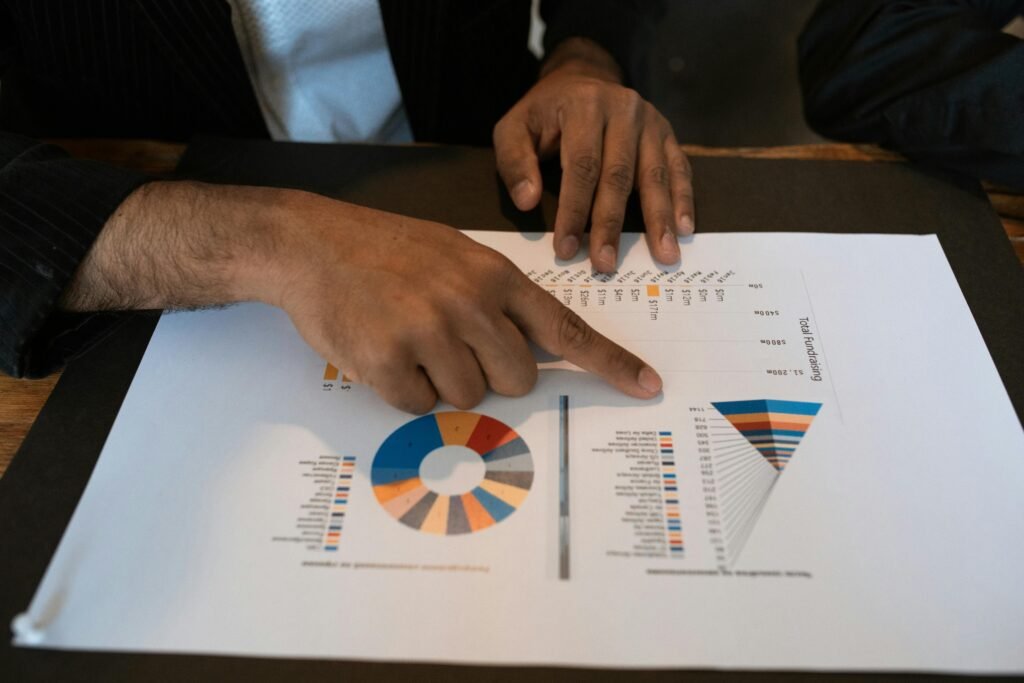
In today’s data-driven world, HR is no longer just about managing people; it’s also about leveraging data to make informed decisions, driving strategic initiatives, and demonstrating the value of human capital to the organisation. Data-driven HR involves using data and analytics to gain insights into workforce trends, measure HR effectiveness, and make evidence-based decisions that support business objectives.
This white paper explores the growing importance of data-driven HR, providing HR leaders with a practical guide to harnessing the power of data to transform their HR practices and contribute to organisational success. We’ll delve into key HR metrics and data sources, examine how data can be used to measure HR effectiveness and identify areas for improvement, and provide guidance on leveraging data to inform workforce planning, talent management, and employee engagement initiatives. We’ll also explore the role of technology and AI in data-driven HR, examining the latest HR analytics tools and technologies that can empower HR professionals to make data-informed decisions.
Data has become the lifeblood of modern organisations. From employee demographics and performance metrics to recruitment statistics and engagement surveys, organisations have access to a wealth of information that can be harnessed to drive HR strategy and improve business outcomes. However, many organisations are not yet fully leveraging the power of data to improve their HR practices.
At Kinhub, we believe that data-driven HR is essential for navigating the complexities of the modern workplace and achieving sustainable success. This white paper serves as your guide to unlocking the power of data to transform your HR function and contribute to your organisation’s strategic goals.
Within these pages, we’ll explore the key HR metrics and data sources that can provide valuable insights into your workforce. We’ll examine how data can be used to measure the effectiveness of your HR initiatives, identify areas for improvement, and make evidence-based decisions that support your business objectives.
We’ll also delve into the practical applications of data-driven HR, providing guidance on how to leverage data to inform workforce planning, talent management, and employee engagement initiatives. We’ll explore real-world examples of organisations that have successfully implemented data-driven HR practices, showcasing the benefits and demonstrating the transformative power of data.
Lastly, we’ll examine the transformative role of technology in data-driven HR, exploring cutting-edge HR analytics tools and emerging technologies, including artificial intelligence and machine learning, that empower HR professionals to collect, analyse, and interpret data with unprecedented precision. We’ll also provide insights into how to build a data-savvy HR team, fostering a culture of data literacy and analytical thinking within your HR function.
This white paper is not just about the two-dimensional numbers and statistics; it’s about using data to tell a three-dimensional story, to understand your workforce, and to make informed decisions that drive positive change. By embracing data-driven HR, organisations can create a more engaged, productive, and successful workplace.
Join us as we unlock the power of data-driven HR, providing you with the strategic mindset and innovative tools you need to transform your HR practices and contribute to your organisation’s strategic goals.
Key HR Metrics and Data Sources for UK Businesses
Data-driven HR starts with identifying the right metrics and knowing where to find the relevant data. For UK businesses, a wealth of information is available to provide valuable insights into the workforce, measure HR effectiveness, and inform strategic decision-making.
The specific metrics that are most relevant will vary depending on the organisation’s goals and priorities. However, some common key HR metrics for UK businesses include:
By tracking these metrics, HR leaders can gain insights into the effectiveness of their HR practices, identify areas for improvement, and make data-driven decisions that support business objectives.
The data needed to calculate these metrics can be drawn from various sources within the organisation, including:
By effectively collecting, analysing, and interpreting data from these various sources, HR leaders can gain a comprehensive understanding of their workforce, measure the effectiveness of their HR practices, and make data-driven decisions that support the organisation’s strategic goals.
In the age of data-driven decision-making, HR can no longer rely on gut feelings and anecdotal evidence. To unlock HR’s true potential and drive organisational success, HR professionals must harness the power of data and analytics to measure performance, uncover hidden opportunities, and spearhead strategic initiatives that create lasting value.
Measuring HR effectiveness involves tracking key metrics, analysing trends, and comparing performance against benchmarks. This data-driven approach provides valuable insights into the strengths and weaknesses of HR practices, enabling HR leaders to identify areas where improvements can be made and demonstrate the impact of HR initiatives on the organisation.
One of the key areas where data can be used to measure HR effectiveness is recruitment. By tracking metrics such as time to hire, cost per hire, offer acceptance rate, and candidate experience ratings, HR can gain a clear picture of the efficiency and effectiveness of its recruitment processes. For example, if the time to hire is consistently exceeds industry benchmarks, it may indicate bottlenecks in the recruitment process that need to be addressed. Similarly, if offer acceptance rates are low, it may suggest that the organisation’s compensation and benefits packages are not competitive or that the candidate experience needs to be improved.
Data can also be used to measure the effectiveness of employee engagement and retention initiatives. By tracking metrics such as employee satisfaction scores, employee Net Promoter Score (eNPS), and turnover rates, HR can gain insights into employee morale, identify potential drivers of attrition, and measure the impact of engagement programmes. For example, if employee satisfaction scores are declining in a particular department, it may indicate a need for targeted interventions, such as leadership development training or improved communication channels. Similarly, if turnover rates are high in certain roles, it may suggest that compensation and benefits need to be reviewed or that career development opportunities are lacking.
In the realm of performance management, data can be used to measure the effectiveness of performance appraisal systems, identify high-potential employees, and track the impact of performance improvement plans. By analysing performance ratings, goal achievement rates, and 360-degree feedback scores, HR can identify top performers, recognise their contributions, and provide them with opportunities for growth and development. Data can also be used to identify employees who may be struggling and provide them with the support and resources they need to improve their performance.
Learning and development effectiveness can also be measured using data. By tracking training completion rates, training effectiveness scores, and employee skills gap analysis, HR can assess the impact of learning and development programmes and identify areas where training needs to be improved or expanded. Data can also be used to measure the return on investment (ROI) of training programmes, demonstrating the value of these initiatives to the organisation.
Data plays a crucial role in measuring inclusion progress. By tracking metrics such as the gender pay gap, ethnicity pay gap, and representation of different groups across all levels of the organisation, HR can identify areas where inclusion initiatives need to be strengthened. Data can also be used to monitor the diversity of the recruitment pipeline and measure the impact of training programmes.
Data can also be used to assess employee wellbeing. By tracking metrics such as employee stress levels, mental health indicators, and work-life balance scores, HR can identify potential wellbeing concerns and implement programmes to support employee health and wellbeing. Data can also be used to measure the utilisation of employee assistance programmes and assess the effectiveness of wellbeing initiatives.
In addition to measuring HR effectiveness, data can also be used to identify areas for improvement. By analysing trends, identifying outliers, and comparing performance against benchmarks, HR can identify areas where HR practices are falling short and develop targeted interventions to address those areas. For example, if data analysis reveals that a particular department has a high turnover rate, HR can investigate the underlying causes, such as a lack of development opportunities or poor management practices, and implement solutions to address those issues.
Data analysis can be used to identify predictive trends and anticipate future challenges. For example, by analysing historical data on employee turnover, HR can identify patterns and predict future attrition rates. This information can be used to proactively implement retention strategies, such as targeted development programmes or improved compensation and benefits packages, to mitigate the risk of losing valuable employees.
Data can be used to benchmark HR performance against industry standards and best practices. By comparing their metrics to those of other organisations in their industry or sector, HR leaders can gain insights into areas where they are excelling and areas where they need to improve. This benchmarking can provide valuable context and motivation for driving continuous improvement within the HR function.
The process of using data to measure HR effectiveness and identify areas for improvement involves several key steps:
By following these steps, HR leaders can effectively leverage data to measure HR effectiveness, identify areas for improvement, and drive strategic initiatives that contribute to the organisation’s success.
In today’s rapidly changing business environment, organisations need to be agile, adaptable, and responsive to the evolving needs of their workforce. Data-driven approaches to workforce planning, talent management, and employee engagement can provide valuable insights, enabling HR leaders to make informed decisions, optimise their strategies, and create a workplace that attracts, develops, and retains top talent.
Workforce Planning
As we know, workforce planning involves analysing the current workforce, forecasting future needs, and developing strategies to ensure the organisation has the right people with the right skills at the right time. Data plays a crucial role in this process, providing insights into workforce demographics, skills gaps, and potential risks. By fully leveraging the power of data, HR leaders can make more informed decisions about recruitment, training, and development, ensuring that the organisation has the talent it needs to achieve its strategic goals.
Historical data, such as employee turnover rates, internal mobility patterns, and performance data, can provide valuable insights into workforce trends and potential risks. For example, if data analysis reveals a high turnover rate in a particular department or role, HR leaders can investigate the underlying causes and implement retention strategies to address those issues. Real-time data, such as employee feedback, engagement surveys, and performance metrics, can provide a snapshot of the current workforce sentiment and identify areas for immediate attention. Predictive data, such as labour market trends and skills forecasts, can help organisations anticipate future talent needs and proactively develop strategies to address potential skills gaps.
By combining historical, real-time, and predictive data, HR leaders can develop a comprehensive workforce plan that aligns with the organisation’s strategic goals and ensures that the workforce is equipped to meet the challenges and opportunities of the future.
Talent Management
Talent management can encompass any activities aimed at attracting, developing, and retaining top talent. Data-driven approaches to talent management can help organisations identify high-potential employees, provide personalised development opportunities, and create a culture of growth and advancement.
Data from performance reviews, 360-degree feedback, and talent assessments can be used to identify high-potential employees who demonstrate the skills, competencies, and potential to take on leadership roles. By identifying these individuals early on, organisations can provide them with targeted development opportunities, such as mentoring, coaching, and stretch assignments, to prepare them for future leadership positions. This data-driven approach to talent identification can help organisations build a strong leadership pipeline and ensure they have the talent they need to succeed in the future.
Data can also be used to personalise development opportunities for employees at all levels. By analysing employee skills gaps, learning preferences, and career aspirations, HR leaders can provide tailored development programmes that meet the individual needs of each employee. This personalised approach to development can enhance employee engagement, increase retention, and foster a culture of continuous learning and growth.
Data can also be used to track the effectiveness of talent management initiatives, measuring their impact on employee engagement, retention, and performance. By analysing data on employee turnover, internal mobility, and performance ratings, HR leaders can assess the ROI of their talent management programmes and make adjustments as needed to optimise their effectiveness.
Employee Engagement
Employee engagement is a critical driver of organisational success. Engaged employees are more productive, innovative, and committed to the organisation’s goals. Data-driven approaches to employee engagement can help organisations understand the factors that drive engagement, identify areas for improvement, and create a workplace where employees feel valued, motivated, and connected to the organisation’s mission.
Employee engagement surveys, pulse surveys, and feedback platforms can provide valuable insights into employee sentiment, identifying areas where employees feel engaged and areas where they may be experiencing challenges or dissatisfaction. This data can be used to inform initiatives aimed at improving employee engagement, such as enhancing communication channels, providing opportunities for professional development, or creating a more inclusive and supportive work environment.
Data can also be used to track the effectiveness of employee engagement initiatives, measuring their impact on key metrics such as employee satisfaction, productivity, and retention. By analysing data on employee turnover, absenteeism, and performance ratings, HR leaders can assess the ROI of their engagement programmes and make adjustments as needed to increase effectiveness.
It’s important to recognise that data-driven HR is not just about collecting and analysing data; it’s about using that data to tell a story, understand the workforce, and make informed decisions that drive positive change. This requires a shift in mindset within the HR function, embracing a culture of data literacy and analytical thinking. HR professionals need to be equipped with the skills and tools to interpret data, draw meaningful insights, and communicate those insights effectively to stakeholders across the organisation.
Furthermore, data-driven HR requires a commitment to ethical and responsible data use. Organisations need to ensure that they are collecting and using data in a way that respects employee privacy, complies with data protection regulations, and avoids any potential for bias or discrimination. Transparency and communication are crucial in building trust with employees and ensuring that data is used in a way that benefits both the organisation and its workforce.
Integrating Data Across HR Functions
To maximise the value of data-driven HR, organisations need to integrate data across different HR functions, breaking down silos and creating a holistic view of the workforce. This integrated approach can provide a more comprehensive understanding of employee experiences, identify trends and patterns that may not be evident within individual functions, and enable more effective decision-making.
For example, by integrating data from recruitment, performance management, and learning and development, HR leaders can gain insights into the effectiveness of their talent acquisition and development strategies. They can identify whether certain recruitment channels attract higher-performing employees, whether specific training programmes lead to improved performance, and whether career development opportunities contribute to employee retention. This integrated approach can help organisations optimise their HR investments and ensure that they are effectively supporting the organisation’s strategic goals.
The Role of Technology
Technology plays a crucial role in enabling data-driven HR. HR analytics platforms and tools can automate data collection, analysis, and reporting, providing HR professionals with the insights they need to make informed decisions. These platforms can also provide access to predictive analytics, enabling organisations to anticipate future workforce trends and proactively address potential challenges.
Furthermore, technology can facilitate collaboration and communication within the HR function and across the organisation. Cloud-based HR systems can provide a centralised platform for sharing data, insights, and best practices, enabling HR professionals to work together more effectively and communicate their findings to stakeholders across the organisation.
Building a Data-Savvy HR Team
To fully embrace data-driven HR, organisations need to invest in building a data-savvy HR team. This involves providing HR professionals with the training and development they need to understand data analysis techniques, interpret data visualisations, and communicate data-driven insights effectively. It also fosters a culture of data literacy within the HR function, encouraging HR professionals to embrace data for decision-making and continuous improvement.
Data-driven approaches to workforce planning, talent management, and employee engagement are essential for organisations seeking to thrive in the modern workplace. By leveraging data to understand workforce trends, identify high-potential employees, personalise development opportunities, and measure the effectiveness of HR initiatives, organisations can create a workplace that attracts, develops, and retains top talent, driving engagement, productivity, and overall success.
The Nine Next Steps to Success for HR Leaders
To effectively implement data-driven HR practices, consider the following next steps:
Kinhub: Your Partner for Data-Driven HR
While the technological foundation for data-driven HR is more accessible than ever, successfully implementing and maximising these capabilities requires strategic expertise and ongoing support. This is where choosing the right partner becomes critical to your transformation journey.
Kinhub offers a range of services and resources to support organisations in their journey towards data-driven HR. These include:
By partnering with Kinhub, organisations can gain access to the expertise and resources they need to unlock the power of data-driven HR and create a more engaged, productive, and successful workplace.
In today’s data-rich environment, HR has a unique opportunity to leverage data and analytics to drive strategic decision-making, improve HR effectiveness, and contribute to organisational success. This white paper has explored the key elements of data-driven HR, examining key metrics, data sources, and the practical applications of data in workforce planning, talent management, and employee engagement.
By embracing data-driven approaches, HR leaders can gain valuable insights into their workforce, measure the effectiveness of their initiatives, identify areas for improvement, and make evidence-based decisions that support the organisation’s strategic goals. This data-driven approach can lead to a more engaged, productive, and successful workplace.
Stop reacting to problems. Start proactively
building a thriving workforce with Kinhub.